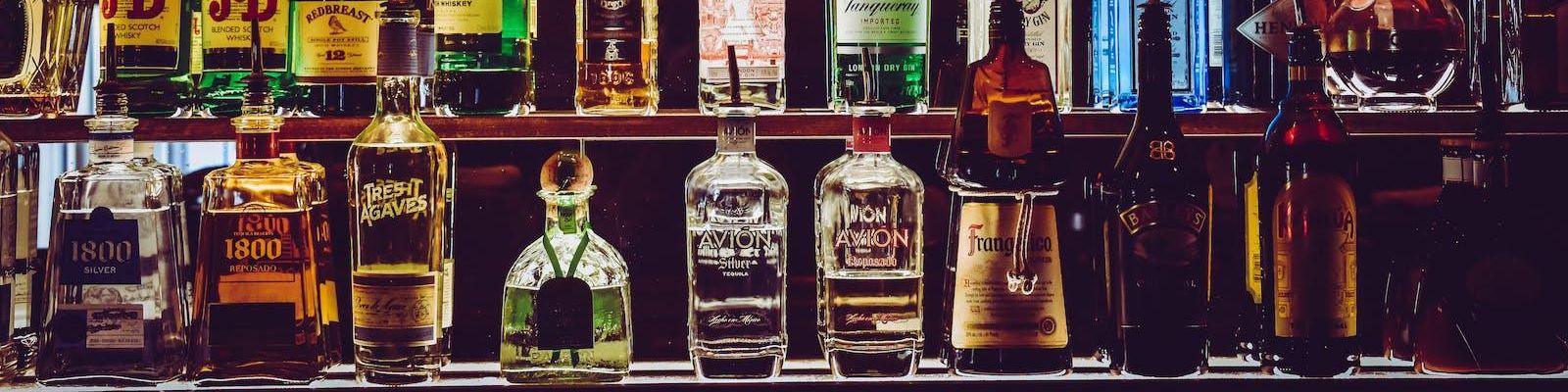
Popular brands: E & J, Paul Masson, St. Remy, Presidente, Hennessy, Courvoisier
Popular brands: E & J, Paul Masson, St. Remy, Presidente, Hennessy, Courvoisier.
Brandy is made by distilling wine or fruit and then aging the product in oak barrels. Brandy is produced all over the world. In fact, most countries that produce wine also produce brandy. A brandy’s taste is affected by factors such as the grapes that are used, the soil of the region where the grapes are grown, the production method used, and blending.
There are four basic steps to producing brandy: fermentation of the grape, distillation to brandy, aging in oak barrels, and blending.
Brandy production was introduced in the United States in California more than 200 years ago by Spanish missionaries. Most American brandy is made in California. Brandy may be distilled in either a continuous or pot still. All California brandy must be aged at least two years in oak barrels. According to the United States Alcohol and Tobacco Tax and Trade Bureau, any brandy (other than grappa and other specialty brandies) aged less than two years must be labeled as “immature.”
Cognac
France is famous for two types of brandy: cognac and armagnac. Cognac is brandy that is produced in the Cognac region of France. Although French law allows several types of grapes to be used, the major variety is Ugni Blanc (also known as St. Emilion). Cognac is distilled twice in small copper pot stills, then aged in oak casks for at least 30 months. Virtually all cognacs are blends—some containing 50 or more cognacs.
Cognac producers use a lettering system rather than a vintage date to describe their cognac. The letters describe the youngest cognac in the blend:
- V.S. (Very Superior or Very Special): aged between 2½ and 4½ years.
- V.S.O.P. (Very Superior Old Pale): aged between 4 and 6½ years. May also be called Very Old or Reserve.
- X.O. (Extremely Old or Extra Old): aged between 5½ and 40 years. May also be called Cordon Bleu, Napoleon, Grand Reserve, Extra, or L’or.
Cognacs labeled “Grand Fine Champagne” or “Grande Champagne” use grapes grown in the Champagne region of Cognac (a grape-growing district within the Cognac region).
Armagnac
Armagnac is produced from white grapes grown in the Armagnac region of France. It differs from cognac in that it is distilled only once. Armagnacs use the vintage date to describe age; all armagnacs used in a blend must be from the same vintage.
Spanish Brandy & Solera Aging
Spain produces more brandy than France. Most Spanish brandies use the solera method:
- Wine spirits are blended and placed for some time in barrels.
- Half the brandy in each barrel is blended into another barrel containing older brandy.
- Half of that barrel is placed into yet another barrel containing even older brandy.
Fruit Brandy, Cordials & Grappa
Fruit brandies are produced from fruits ground into a mash, fermented with yeast, pressed, and distilled. Examples include applejack, calvados, and kirsch.
Fruit-flavored brandies are classified as cordials in the United States. Grappa (pomace brandy) is produced by distilling the skin and/or pulp of grapes (or other fruit) after pressing for wine. It generally is not aged.
Angel’s Share
When distillers age brandies and other spirits, they lose a portion of the product to evaporation in the barrel. That lost portion is called the angel’s share. Over long aging periods, more than 25% of a barrel can evaporate.